
What is the best tiger reserve in India for a first-time safari traveller?
Bandhavgarh and Kanha are the two most recommended reserves for first-time visitors. Bandhavgarh has one of the highest tiger densities in India, which means sightings are more reliable. Kanha offers a broader wildlife experience across more varied terrain. For those who want a combination of strong sighting odds and outstanding lodge options, Bandhavgarh is typically the first choice.
There is a particular kind of silence that settles over a jeep when a tiger walks out of the tree line.
No one reaches for a camera immediately. For a moment, the only movement is the animal itself, indifferent and unhurried, crossing the track at its own pace. Then the guide says something quietly in Hindi to the driver, and the spell holds a little longer before the shutters begin.
It is one of the genuinely irreplaceable experiences that travel can offer. And despite what the doubters say about Africa being the only serious destination for wildlife, India has more wild tigers than any other country on earth. The question is simply knowing where to go, when to go, and how to approach it properly.
Why India Deserves to Be Taken Seriously as a Safari Destination
![Safari Landscape]?(/placeholder/section-image.jpg)
For decades, the conversation about luxury wildlife travel began and ended with East Africa. That framing is overdue for revision.
India's tiger conservation programme, Project Tiger, was launched in 1973 when the country's tiger population had fallen to roughly 1,800 animals. Today, that number sits above 3,000, and India accounts for approximately 70 percent of the world's wild tiger population. The reserves that protect them are vast, varied and, at their best, as dramatic as anything on the Serengeti.
What India offers that Africa does not is intimacy. Safari vehicles in India's parks are typically smaller. The forest track system is carefully managed. When a sighting happens, it tends to be quiet, often private, and unhurried in a way that a large convoy of vehicles cannot replicate.
The Reserves Worth Knowing
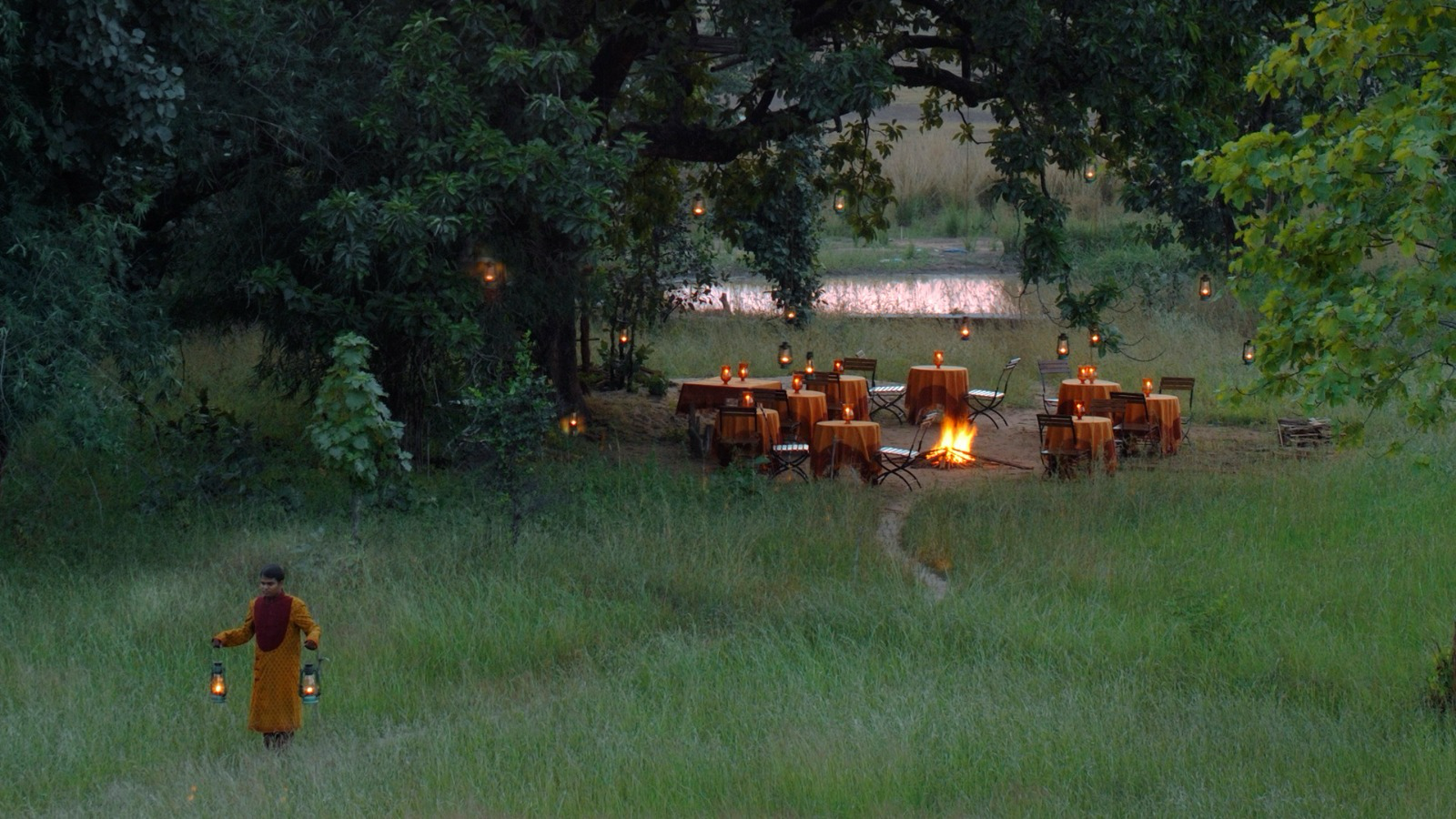
Not all of India's tiger reserves are equal. Some are more accessible, some have better lodge infrastructure, some offer more reliable sightings. The following are the reserves that Bluebird recommends consistently, and why.
Bandhavgarh National Park, Madhya Pradesh
Bandhavgarh is the reserve that delivers. Its tiger density is among the highest in India, and the terrain, a mix of sal forest, open meadows and rocky hillsides, concentrates wildlife in ways that make sightings more predictable than in larger, more forested parks.
The park covers around 1,161 square kilometres and is divided into zones, with the Tala zone offering the most reliable access. A good guide here is the difference between a competent safari and an extraordinary one: the tracking traditions in Bandhavgarh are deep, and experienced naturalists read the forest in ways that consistently put vehicles in the right place.
Lodge options at Bandhavgarh include some of India's finest wildlife properties. Mahua Kothi by Taj Safaris sits within the buffer zone and offers the kind of seamless, attentive service that makes the experience feel as considered as any luxury hotel stay. Kings Lodge and Samode Safari Lodge are also strong options for different budgets and styles.
Kanha National Park, Madhya Pradesh
Kanha is larger, more varied and, for many seasoned safari travellers, more beautiful. The park was part of Rudyard Kipling's imaginative landscape for The Jungle Book, and the sweeping meadows, known locally as maidans, are as close to an Indian Serengeti as the country offers.
Tiger sightings at Kanha are excellent, though less certain than Bandhavgarh because of the park's greater size. What Kanha adds to the equation is a broader cast of characters: barasingha deer, the park's signature conservation success story, wild dogs, leopards, sloth bears and over 300 bird species. A safari here is a full wildlife experience rather than a focused tiger search.
Banjaar Tola by Taj Safaris is a standout property. Set on the banks of the Banjaar River, Banjaar Tola is particularly impressive in its design and its understanding of what a luxury safari lodge should feel like.
Ranthambore National Park, Rajasthan
Ranthambore is the most accessible of India's major tiger reserves, sitting within reasonable distance of Jaipur and making it a natural addition to a Rajasthan itinerary. The park's landscape is unique: an ancient fort rises from the forested hills, and tigers have been photographed against its walls in images that define the romance of Indian wildlife photography.
The trade-off is popularity. Ranthambore receives more visitors than any other tiger reserve, and the zone system means that vehicle numbers can feel higher, particularly during peak season. Sightings, however, remain excellent. The tigers here are famously habituated to vehicles and exhibit none of the shyness found in less-visited parks.
Aman-i-Khas is the property that defines luxury at Ranthambore: a tented camp set in the forest outside the park boundary, with a level of design and service that places it among India's finest safari experiences. The Oberoi Vanyavilas is the other name that demands attention, its white canvas tents and impeccable attention to detail making it a perennial choice for discerning travellers.
Pench National Park, Madhya Pradesh
Pench is quieter than its more famous neighbours and rewards travellers who value atmosphere over certainty of sighting. The park straddles the Madhya Pradesh-Maharashtra border, and its mixed teak and sal forests feel genuinely wild in a way that more heavily visited reserves sometimes lose.
Tiger sightings at Pench are good, though the park's thicker terrain means they require more patience. What compensates is the sense of discovery, and the quality of its lodge options. Baghvan Jungle Lodge by Taj Safaris is widely regarded as one of the best-designed safari properties in India, its architecture responding to the landscape in a way that feels both considered and at ease.
Tadoba National Park, Maharashtra
Tadoba is the reserve that the serious wildlife traveller reaches for when the others have been done. Maharashtra's largest national park, it sits outside the main Central India circuit and receives a fraction of the visitor numbers of Bandhavgarh or Ranthambore.
The park's flat, dry terrain means that sightings, when they come, tend to be prolonged and close. Tiger densities are high, and the local population has grown steadily over the past decade. Lodge infrastructure has improved significantly, with Svasara Jungle Lodge and Bamboo Forest Safari Lodge both offering strong options.
For a Central India itinerary that covers two or three reserves, Tadoba works particularly well in combination with Pench or Kanha.
How to Build a Safari Itinerary ?
A well-structured Central India wildlife circuit, covering Bandhavgarh and Kanha with three nights in each, makes for a ten-day journey of genuine depth. Adding Pench or Tadoba extends it to fifteen days and introduces enough variety to satisfy even the most experienced safari traveller.
Most Central India circuits begin and end in Mumbai or Delhi, with domestic flights connecting to the nearest airports at Jabalpur, Nagpur or Raipur. Road transfers from these airports to the parks are typically two to three hours and are part of the journey rather than an inconvenience: the drive through Madhya Pradesh's forests and villages offers its own form of wildlife theatre.
What to Expect on a Game Drive ?
Safari vehicles in Indian national parks are open jeeps, typically seating four to six guests alongside the guide and driver. Morning drives begin before dawn and run for three to four hours. Afternoon drives depart in the mid-afternoon and return at dusk. The early morning drives are almost always the better bet: the light is extraordinary, the air is cool, and tiger activity peaks in the hours around sunrise.
A good naturalist is not an optional extra. The best guides in India's reserves have spent years reading a specific patch of forest, and their knowledge of individual tigers, their territories and their habits is the difference between a competent outing and a sighting that stays with you for years.
The dress code is neutral colours: khaki, olive, grey. Bright colours disturb wildlife and, in heavily visited parks, can also invite unwanted attention. A light fleece is advisable for early morning drives even in the warmer months, as forest temperatures at dawn can surprise.
One Practical Note on Timing
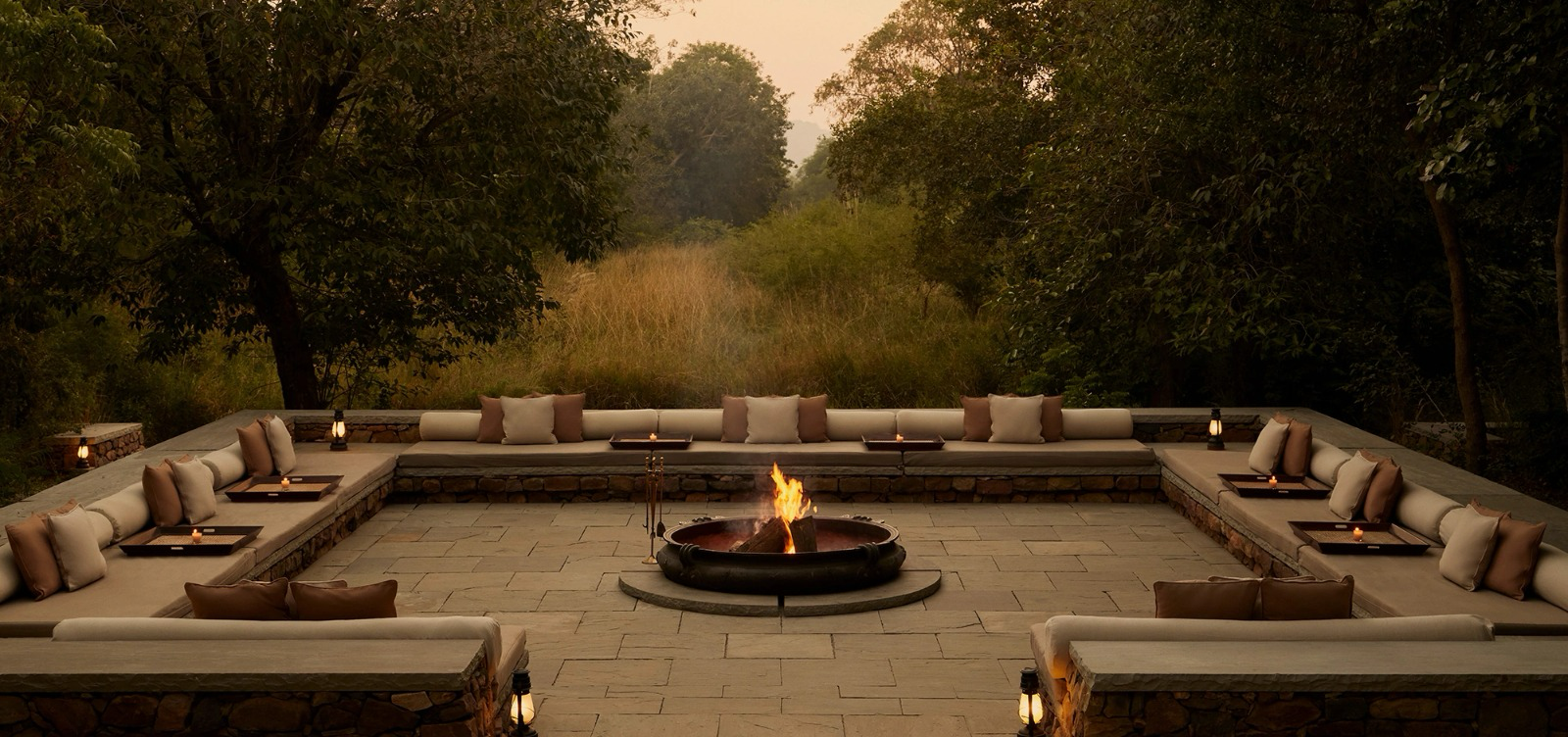
The parks operate a strict zone system, with vehicles allocated to specific zones on specific drives. Booking early matters: the best lodges and the most sought-after zones fill quickly during peak season, particularly the October to February window. For a safari that coincides with Ranthambore during the winter months, or Bandhavgarh during the March to May dry season, lead times of six to nine months are not excessive.
The planning, done properly, is half the pleasure. The other half is that silence in the jeep when the tiger walks out of the trees.
If you are ready to begin thinking about an India wildlife journey, the Bluebird team designs tiger safari itineraries with the same care we bring to every journey we create. The best lodges, the right guides and the reserves that match your interests and travel dates: reach out and we will build something around you.
When to Visit?
| Season | Months | Conditions & Highlights |
|---|---|---|
| Peak Season | October – June | Best overall safari window. |
| Best Sightings | March – May | High visibility near water sources. |
| Comfort Season | November – February | Cooler temperatures with excellent conditions. |
| Monsoon | July – September | Parks remain closed. |
Where to Stay
Bluebird's Recommended Luxury Properties
- Mahua Kothi Luxury lodge in Bandhavgarh by Taj Safaris.
- Kings Lodge Strong mid-to-luxury option in Bandhavgarh.
- Samode Safari Lodge Boutique luxury safari stay.
- Banjaar Tola Elegant lodge in Kanha by Taj Safaris.
- Aman-i-Khas Ultra-luxury tented camp near Ranthambore.
- The Oberoi Vanyavilas Premium safari resort in Ranthambore.
- Baghvan Jungle Lodge Top-tier Pench safari lodge.
- Svasara Jungle Lodge High-quality stay in Tadoba.
- Bamboo Forest Safari Lodge Well-designed lodge in Tadoba.

