
What is the best month to visit India?
October through March is the most universally reliable window for India travel, covering the Golden Triangle, Rajasthan, and most cultural circuits.
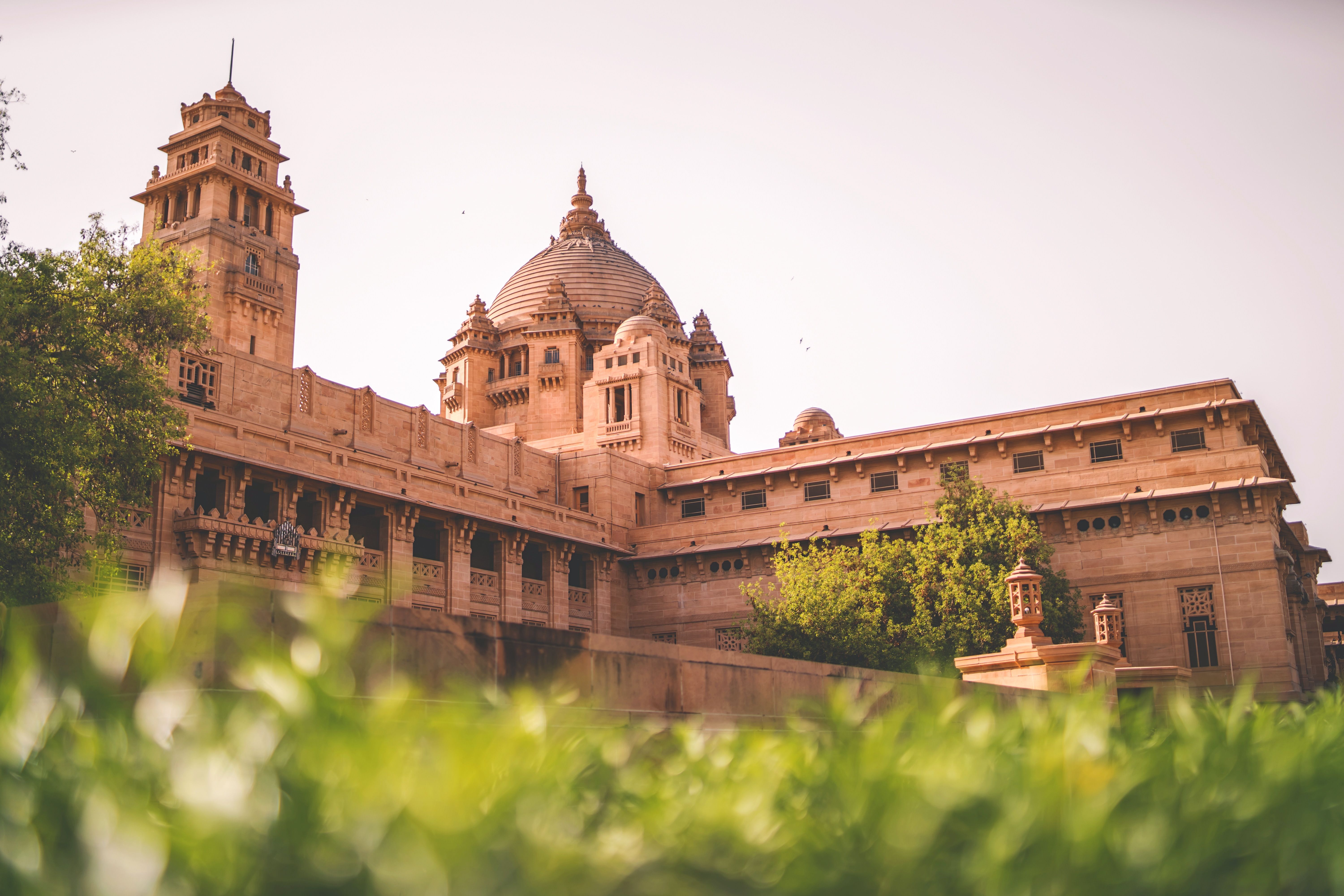
The question comes up in every planning conversation. When is the best time to go to India? The honest answer, which is rarely the convenient one, is that India does not have a single best time. It has a geography that stretches from the Himalayas in the north to the tip of the subcontinent in the south, from the Thar Desert in the west to the rainforests of the northeast. No single month is optimal across all of it simultaneously. What follows is a region-by-region breakdown of when to go, why, and what you gain or sacrifice by travelling outside the recommended window. Understanding this is not a technicality. It is the difference between a journey that works and one that fights its own timing.
North India: The Golden Triangle and Rajasthan
Best months: October, November, February, March
The plains of northern India, covering Delhi, Agra, Jaipur and the broader sweep of Rajasthan,
operate on a clear seasonal rhythm. Winter, from October through March, is when this part of India
is at its most hospitable. Daytime temperatures sit between 15 and 25 degrees Celsius, the air is
clear, and the quality of light, particularly in the early morning, is outstanding.
October and November are the first months of the main season, arriving on the tail of the monsoon.
The landscape is green from the recent rains, the monuments are relatively uncrowded compared to
the peak of December and January, and the temperatures are ideal. These are, for the discerning
traveller who wants good weather without the full press of peak-season visitors, often the best
months of the year for North India.
December and January represent the absolute peak of the season. Temperatures are at their coolest,
sometimes dropping to single figures overnight in Rajasthan, and the demand for the finest hotels
and guides is at its highest. Book six to nine months in advance for travel in these months.
February and March offer a gentle transition. Temperatures begin to warm, the crowds begin to
thin, and the spring light has a particular quality. Jaipur in late February, when the Holi festival
approaches, is one of the finest experiences India offers: the city fills with colour and celebration in
a way that connects the modern city to centuries of tradition.
April and May bring heat to the north that most travellers find difficult. Agra in May, with
temperatures regularly above 40 degrees, is uncomfortable in ways that no amount of air
conditioning fully addresses. The monuments are still there, but the experience of standing in front
of them is materially diminished. If April or May travel is unavoidable, begin all monument visits
before 8am and plan the afternoons in the hotel.
 Rajasthan's Desert: A Different Calculation
Rajasthan is a large state, and its western desert region around Jaisalmer and the Thar Desert
operates on a slightly different calculus from the cities of Jaipur and Jodhpur.
The desert in winter, from November through February, is cold at night and warm during the day,
which is ideal for a camel safari or an overnight in a luxury desert camp. January nights in the Thar
can drop to near freezing, which requires preparation but also produces stars of extraordinary
clarity and an atmosphere of genuine solitude.
October is the Pushkar Camel Fair month, when the town of Pushkar, 14 kilometres from Ajmer,
fills with camel traders, pilgrims and travellers for one of India's most theatrical annual events. The
fair typically falls in late October or early November; the exact dates shift with the lunar calendar.
The desert in summer, from April through June, is unworkable for most travellers. Temperatures
regularly exceed 45 degrees Celsius, and the heat is physical in a way that precludes most outdoor
activity. The monsoon in August and September brings welcome rain but also the possibility of
flooding in lower-lying areas.
Rajasthan's Desert: A Different Calculation
Rajasthan is a large state, and its western desert region around Jaisalmer and the Thar Desert
operates on a slightly different calculus from the cities of Jaipur and Jodhpur.
The desert in winter, from November through February, is cold at night and warm during the day,
which is ideal for a camel safari or an overnight in a luxury desert camp. January nights in the Thar
can drop to near freezing, which requires preparation but also produces stars of extraordinary
clarity and an atmosphere of genuine solitude.
October is the Pushkar Camel Fair month, when the town of Pushkar, 14 kilometres from Ajmer,
fills with camel traders, pilgrims and travellers for one of India's most theatrical annual events. The
fair typically falls in late October or early November; the exact dates shift with the lunar calendar.
The desert in summer, from April through June, is unworkable for most travellers. Temperatures
regularly exceed 45 degrees Celsius, and the heat is physical in a way that precludes most outdoor
activity. The monsoon in August and September brings welcome rain but also the possibility of
flooding in lower-lying areas.
Kerala and South India
Best months: November through February for beaches and culture; June through August for Ayurveda Kerala operates on a seasonal rhythm distinct from the north. The state has two monsoon seasons, the southwest monsoon from June through August and the northeast monsoon that affects parts of the state in October and November. Between these two monsoons, from December through February, Kerala is at its most settled: warm rather than hot, the backwaters at their most navigable, the beaches along the Malabar and Lakshadweep coasts at their most inviting. The Ayurveda exception is important and often missed by first-time planners. The classical texts of Ayurveda specify that the monsoon season, known as Karkidakam in the Malayalam calendar and corresponding roughly to July, is the optimal time for Panchakarma and other intensive Ayurvedic treatments. The humidity opens the pores, the body is more receptive to treatment, and the medicinal plants used in the preparations are at their most potent freshly harvested. The finest Ayurveda retreats in Kerala, including Kalari Kovilakom, run their most sought-after programmes during the monsoon months. For wellness travel, the logic is inverted from what most people assume. Kerala's backwaters are navigable throughout most of the year, though the experience during the monsoon has a particular quality: the rain on the roof of the houseboat, the mist over the paddy fields, the green intensity of the surrounding landscape. Travellers who can accept occasional rain in exchange for this atmosphere often find the monsoon backwaters more memorable than the dry- season alternative.
Tamil Nadu and the Temple Trails of South India
Best months: November through February Tamil Nadu's climate is governed by the northeast monsoon, which brings rain to the state between October and December. By late November and certainly by December, the rains have passed and the state enters its coolest and most comfortable season. The great Dravidian temple towns, Madurai, Thanjavur, Kumbakonam, Mahabalipuram, are best visited in the mornings before the heat builds, and the November-to-February window allows for this without the additional challenge of monsoon rainfall. The festival season, including the Pongal harvest festival in January, adds a further reason to visit during these months. March brings rising temperatures, and by April the heat in the Tamil plains is significant. The hill station of Ooty in the Nilgiris offers refuge from April onwards, with temperatures remaining pleasant through the summer months.
Central India and the Wildlife Reserves
Best months: October through June, with March to May the peak for sightings India's great tiger reserves, including Bandhavgarh, Kanha, Ranthambore and Pench, close during the monsoon months of July to September and reopen in October. The season runs through to June, but the experience changes considerably across these months. October and November, the opening months, offer lush post-monsoon vegetation and reliable wildlife activity, though the dense greenery can make sightings more challenging. The animals are active and the temperatures are pleasant. The months of March, April and May are, counterintuitively, the best time for tiger sightings. As the dry season tightens its grip and water sources reduce to a small number of reliable waterholes, wildlife concentrates around them in ways that make predator sightings far more reliable. The heat is significant, but game drives beginning before 6am and returning by 10am sidestep the worst of it. For a traveller whose primary goal is to see a tiger, the late dry season is the time to go. Ranthambore, in Rajasthan, functions on a slightly different schedule: it is open throughout the year except for a brief closure in late June and early July. The summer months at Ranthambore, from April through June, see intense heat but also the most reliable tiger sightings of the entire year.
Ladakh and the High Himalayas
Best months: June through September Ladakh, in India's far north, is effectively inaccessible by road from October through May due to snow on the mountain passes. The Manali-Leh Highway opens in late May or early June, and the Srinagar-Leh Highway typically follows. By late June, both routes are fully operational. The Ladakh summer, from June through September, is warm by day and cool at night at the 3,500- metre altitude of Leh. The sky is deep blue, the landscape is extraordinary, and the cultural sites, including the monasteries of Hemis, Thiksey and Diskit, are accessible and photogenic. August brings the Hemis Festival, the most celebrated of Ladakh's Buddhist festivals, which draws visitors from across the world and represents a significant logistical challenge for accommodation in the region. Book well in advance if this is the target.
The Northeast: Assam, Meghalaya and Beyond
Best months: November through March India's northeastern states, including Assam and Meghalaya, are best visited between November and March, when the post-monsoon landscape is green and clear and the wildlife in Kaziranga National Park is most active. Kaziranga, home to the world's greatest concentration of one-horned rhinoceros, opens to visitors from November and offers its best wildlife viewing through February. The park closes from May through October. Meghalaya, including the famous living root bridges and the extraordinary landscapes of the Khasi Hills, is accessible year-round but most comfortable in the cooler months of November through February. The monsoon, which delivers some of the highest rainfall recorded anywhere on earth in the Cherrapunji area, makes the roads challenging and the bridges inaccessible in places from June through September.
A Summary for the Practical Planner
For a first visit to India covering the Golden Triangle and Rajasthan, the choice comes down to October and November for fewer crowds, or December and January for the finest weather at the cost of higher rates and a need for early booking. February and March offer an excellent compromise. For South India, November through February is the primary window, with the important exception of Ayurveda travel, which benefits from the monsoon. For wildlife, plan around the dry season in whatever region the safari is based. March through May for Central India; November through February for Ranthambore; October through March for Kaziranga. For the mountains, June through September for Ladakh; October and November, or March through May, for Nepal and the Himalayan hill stations. India rewards planning, and the planning rewards knowledge of these regional rhythms. If you are working out when a particular journey might best be scheduled, the Bluebird team is accustomed to these conversations. We will tell you honestly when the timing works, when it does not, and what the alternatives look like.
When to Visit?
| Season | Months | Conditions & Highlights |
|---|---|---|
| October to March | Peak Season | Primary travel season for North India, Rajasthan and the Golden Triangle. |
| November to April | South India | Best conditions for Kerala, Tamil Nadu and Karnataka. |
| June to September | Monsoon | Best for Ladakh and Ayurveda retreats in Kerala. |

