
What does a bespoke India tour actually mean?
A genuinely bespoke India tour is built entirely around the individual traveller. The destination, pace, interests, accommodation style, guide selection, dining preferences and daily structure are all determined by what matters to that specific person, not by what is convenient for the operator. No two Bluebird journeys to India are the same, because no two clients are the same.
The word bespoke has been used so freely in luxury travel marketing that it has begun to lose its meaning. It now appears on the websites of companies whose idea of personalisation extends to choosing between two fixed itineraries, or selecting a room category at a hotel that everyone uses regardless.

What follows is an account of what a genuinely bespoke India journey actually looks like, from the first conversation to the final morning. It is, we would freely admit, a description of how Bluebird works. But it is also an argument for why working this way produces something that a template tour, however luxuriously appointed, cannot replicate.
The First Conversation
A bespoke journey begins not with a brochure but with a conversation that is primarily about the traveller rather than the destination.
What kind of traveller are you? Not in the sense of preferred hotel category or airline loyalty programme, but in the deeper sense: what do you read, what interests you when you travel, what
have you found on previous journeys that you want more of and what have you found that you would rather avoid? Are you someone who needs a museum context before a monument makes sense, or do you prefer to arrive at a place without prior explanation and respond to it directly? Do you travel to be moved or to be informed, and is there a distinction for you between the two?
These questions matter because India is large enough and varied enough to be a completely different journey for different people. For a traveller interested in architecture and urban history, the itinerary will look nothing like the one designed for a wildlife enthusiast. The journey built for a couple celebrating an anniversary will differ fundamentally from the one created for a solo traveller approaching India for the first time. India's generosity as a destination is that it can accommodate all of these intentions simultaneously, but only if the journey is built specifically for the person taking it.
The first conversation is also about practicalities: travel dates, approximate budget, the number of people travelling, any dietary or mobility requirements, and the question of whether there are specific things that must be included. This is not form-filling. It is the beginning of the understanding that makes everything else possible.
The Proposal
The proposal that follows is not an itinerary template with names inserted. It is a document that reflects the conversation.
If the client mentioned that their previous India trip felt rushed and left them with the sense that they had seen cities without understanding them, the proposal will reflect a different pace: fewer destinations, more nights in each, specific experiences designed to create depth rather than coverage. If they mentioned that they have no interest in religious sites, the proposal will route around them without apology. If they mentioned a passion for food or textile or contemporary art, the proposal will structure each day around opportunities to engage with that passion.
The accommodation choices will be explained rather than simply listed. Not "The Leela Palace, New Delhi" with a photograph and a star rating, but an account of why this particular hotel, with its particular character and location and quality of service, is the right choice for this traveller at this point in this journey. Hotels in India vary enormously not just in quality but in personality, and the right personality for the traveller matters as much as the thread count.
In India, the relationship between a traveller and their guide is the hinge on which the entire journey turns. A brilliant guide at Fatehpur Sikri does not make the monuments more picturesque; they make them comprehensible, alive, connected to a story that gives the stone its meaning.
The Refinement
A proposal is not a final document. It is the opening of a negotiation between what the specialist knows is possible and what the traveller knows they want.
Most proposals go through two or three rounds of refinement. Perhaps the client reads the itinerary and realises that seven days in Rajasthan is more than they need, but they would like to add two nights in the Thar Desert near Jaisalmer that the proposal did not include. Perhaps they read the description of a particular hotel and something in it does not feel right for them: the scale is too grand, or the position on the edge of the city rather than its centre makes them feel disconnected. Perhaps a conversation with a colleague who has been to India surfaces a specific experience, a sunset camel ride they heard about, a restaurant in a haveli, a market that operates only on certain days, and they want to know whether it can be woven in.
Each of these responses is welcomed rather than managed. The refinement process is where the journey becomes specifically yours rather than the specialist's best guess at what you might want. It is also where a good specialist earns their fee: knowing which requests are genuinely achievable, which alternatives exist when they are not, and how to reorganise a sequence to accommodate new priorities without undermining the coherence of the whole.
The Preparation
A bespoke journey does not begin when the client boards the plane. It begins in the weeks before departure with a preparation process that is as considered as the planning itself.
This includes a detailed briefing document that covers not just logistics but context: the history behind each place on the itinerary, the cultural practices that will be encountered and what they mean, the etiquette that will help the traveller move through the journey with ease, the specific things to watch for at each site and what makes them significant.
And it includes a contact number and name for the specialist who planned the journey, available throughout the trip for any adjustment, question or unexpected development. India, for all its logistical complexity, is a country where things that can be changed, can be changed quickly when someone with the right relationships makes the call.
On the Ground
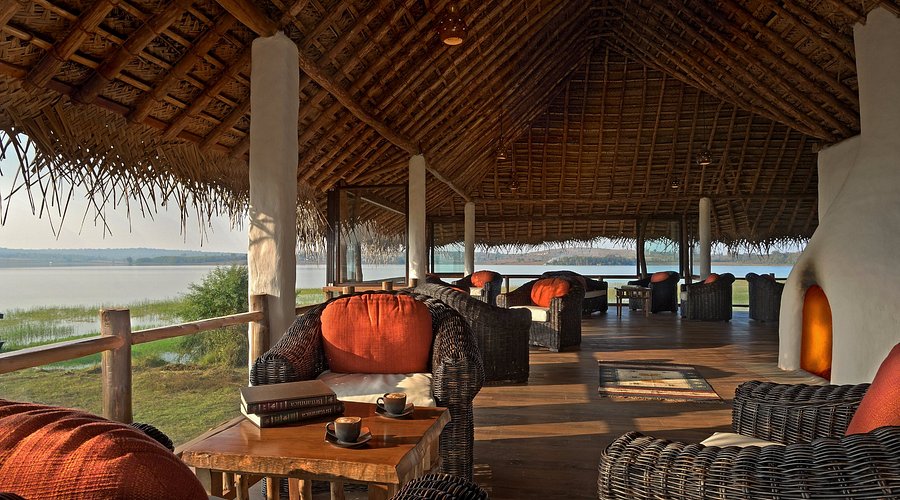
The experience of travelling on a well-planned bespoke India journey is, for most people, quietly surprising.
The surprise is not that everything is perfect: no journey of significant length is without some adjustment, some morning when the weather is uncooperative or a site is busier than expected or a restaurant that was meant to be exceptional disappoints. The surprise is that the adjustments, when they happen, are already being handled before the traveller has finished forming the question.
These are not dramatic moments. They are small, cumulative instances of the journey working precisely as it should, and they add up over 10 or 14 or 21 days to an experience that feels less like tourism and more like privileged access: to places, to knowledge, to the version of India that most visitors see only in glimpses.
The Farewell That Is Not One
The end of a Bluebird India journey tends to produce a particular kind of correspondence. Not the standard post-trip questionnaire response, but the email sent a week or two after returning that tries to put into words what the journey did.
India resists summary, which is part of what makes it so compelling as a destination. The traveller who returns from a two-week journey and finds that they cannot quite explain it to someone who has not been there is having the right response. The journey was not a sequence of monuments and meals; it was an encounter with something that does not translate easily into language or photographs.
What we know from years of designing these journeys is that the travellers who go deepest into India are the ones for whom the journey was built specifically rather than adapted from a template. The bespoke approach is not a premium option layered over a standard product. It is a different kind of travel entirely.
If you are considering India and want to understand what a journey built specifically around you might look like, Bluebird would welcome the first conversation. There is no obligation and no fixed itinerary waiting to be sold. There is simply the conversation that makes everything else possible.

